
The IRS lets you deduct dental expenses only after they pass 7.5 percent of your adjusted gross income, which tells you how seriously the government treats a big dental bill. Dental implants are exactly that kind of bill for many families, and the question of what dental implants cost in Oklahoma City rarely has a one-line answer. The honest reply is that cost depends on your mouth, your plan and how many steps your treatment needs. This guide explains what moves the price, how to plan for it and why a personal estimate from a local office is the only number worth trusting.
Why There Is No Single Price for Dental Implants
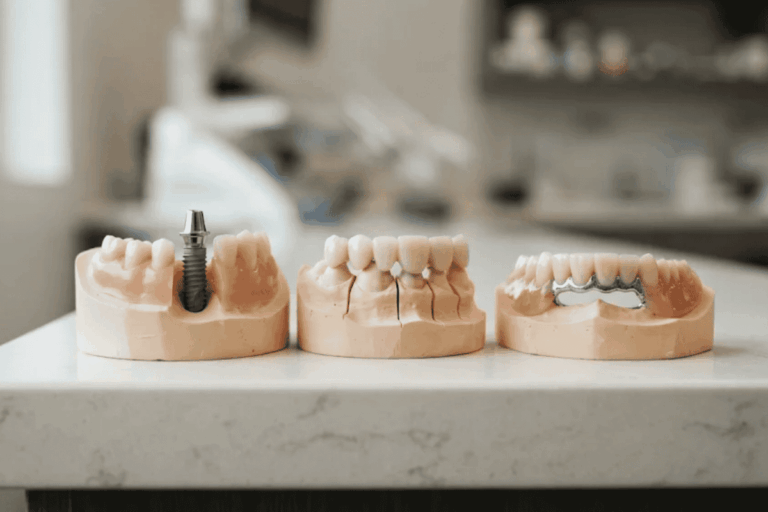
An implant is not a single product you pick off a shelf. It is a series of steps. The Mayo Clinic lists them as removing the damaged tooth, preparing the jawbone and grafting if needed, placing the implant, waiting for bone growth, placing the abutment and finally attaching the artificial tooth. Each stage involves different procedures, and not every patient needs every stage. Someone with healthy bone may skip the graft, while someone who lost a tooth years ago may need it.
That is why two neighbors in the same zip code can hear very different quotes for what sounds like the same treatment. Pricing follows the plan, and the plan follows the patient.
What Drives Dental Implants Cost in Oklahoma City
The table below summarizes the main factors that shape a quote, without attaching any prices. Each one is explained in the paragraphs after it.
| Factor | What it means for your plan |
|---|---|
| Number of implants | A full arch typically uses four to six implants |
| Bone condition | Candidates need enough bone or a bone graft |
| Treatment stages | Extraction, implant placement, abutment and artificial tooth are separate steps |
| Healing time | Osseointegration takes three to nine months |
| Overall health | Active gum disease, unmanaged diabetes and heavy smoking can make implants less suitable |
The first factor is how many teeth you are replacing. The Cleveland Clinic says a full arch typically uses four to six implants, so replacing every tooth on the top or bottom is a different project than replacing a single molar.
The second factor is bone. Mayo Clinic notes that candidates need enough bone or a bone graft, and a graft adds a step to the plan. The third factor is the number of treatment stages, since extraction, implant placement, the abutment and the artificial tooth are separate steps rather than one appointment.
Healing time is the fourth factor. The Cleveland Clinic explains that osseointegration, where bone grows around the implant, takes three to nine months. The ADA adds that your dentist may provide a temporary crown, bridge or denture during healing so you can eat and speak normally. The last factor is overall health. Active gum disease, unmanaged diabetes and heavy smoking are conditions where implants may be less suitable, and treating those first can add care before implants even begin.
Want a number that fits your mouth, not an average? Contact us for a free consultation and free estimate.
Why Online Price Ranges Can Mislead You
Search results for implant pricing often show wide ranges, and those ranges blend together very different cases. A single front tooth with healthy bone and a full-arch restoration with grafting are not the same service, yet they can appear on the same page as if they were. Averages also hide extras such as imaging, temporary teeth and follow-up visits.
For that reason, we do not publish a flat price for implants. A flat price would either overstate what some patients pay or understate what others need. A free estimate based on an exam and imaging is the only way to see the real figure.
Ways to Plan for the Cost
You have more options than paying the full amount at once. The ADA publishes a Paying for Care resource that covers dental plan types, from PPOs and HMOs to discount plans, plus dental coverage offered through the Affordable Care Act Marketplace and a guide to low-cost care. Checking what your plan covers before the consultation lets you ask better questions.

On the tax side, IRS Publication 502 says dental treatment, including dentures, extractions and fillings, counts as a medical expense, and you can deduct only the portion above 7.5 percent of your adjusted gross income. Amounts reimbursed by an FSA or HSA cannot be counted again. Teeth whitening is not includible. This is general information, so confirm how it applies to you with a tax professional.
Here are the planning steps patients in the Oklahoma City, OK area find most useful:
- Ask your insurance company what it covers for extractions, bone grafts and crowns, even if implants themselves are excluded.
- Request a written treatment plan that lists every stage so you can compare quotes fairly.
- Ask whether any stages can be spread across months to match your budget.
- Check whether a monthly financing plan fits your household better than paying at once.
- Ask whether a temporary tooth is included while your implant heals.
Is the Investment Worth It?
Cost is only one side of the decision. The American Academy of Implant Dentistry says bridges generally fail after 5 to 10 years and complete dentures last an average of 7 to 15 years, which means those options may need replacement during your lifetime. Implants avoid the enamel removal required for bridges, according to the Cleveland Clinic, and they do not rely on neighboring teeth.
That does not make implants right for everyone. If you are comparing paths, our guide to affordable dental care covers practical ways to spread out costs, and our dentures page explains the removable alternative.
Why Choose Dentistry For You OKC
When the question is what a treatment will cost, the most useful thing a practice can offer is clarity before you commit. Dentistry For You OKC invites patients to ask for a free consultation and a free estimate, so the first conversation is about your teeth and your plan, not a sales pitch. The estimate is built from an exam and digital imaging of your own mouth, which is how the number reflects your situation instead of an average.
Payment flexibility is built into how the office works. The practice accepts most insurances, explains its options on a dedicated payment page and offers Cherry financing for patients who prefer monthly payments. The office at 12321 Hidden Forest Blvd in Oklahoma City, OK also offers appointments in Spanish and Vietnamese, so billing and treatment questions can be handled in the language you prefer.
Conclusion
Dental implants cost depends on how many teeth you are replacing, the condition of your bone, the stages your plan needs, your healing time and your overall health. Instead of relying on an online average, plan around a written estimate from a dentist who has examined you, and use insurance, tax rules and financing to make the plan manageable.
Call or contact our Oklahoma City office to book your free consultation and free estimate.
Frequently Asked Questions
How much do dental implants cost in Oklahoma City?
The cost varies by patient because it depends on how many implants you need, whether a bone graft is required and how many treatment stages your plan includes. A dentist can give an accurate figure only after an exam and imaging. Many offices offer a free consultation and estimate.
Does dental insurance cover implants?
Coverage varies by plan. Some plans cover related steps such as extractions or crowns even when they exclude the implant itself, so it helps to ask your insurer for a written breakdown before treatment begins.
Are dental implants tax deductible?
The IRS treats dental treatment as a medical expense, but you can deduct only the portion above 7.5 percent of your adjusted gross income. Amounts reimbursed by an FSA or HSA cannot be counted. A tax professional can confirm how this applies to your return.
Why are dental implants so expensive?
An implant is a multi-step process that can include extraction, a bone graft, the implant post, an abutment and an artificial tooth. Healing between steps can take three to nine months, which adds visits and follow-up care to the total.
Is it cheaper to get dentures or implants?
Dentures usually cost less up front, but they may need replacement sooner. Complete dentures last an average of 7 to 15 years according to the American Academy of Implant Dentistry, so a long-term comparison is more useful than the first bill alone.