
Root canal treatment clears damaged or infected tissue from inside a tooth, cleans and disinfects the canals, and seals the space to help keep infection from returning. In many cases it lets you keep a tooth that would otherwise need to come out.
Root canals have a scary reputation, but the treatment is meant to fix the source of the pain. With good numbing, it often feels much like getting a larger filling, and our team explains each step before it happens. At Dentistry For You OKC, Dr. Dao will look at your symptoms, explain what she finds and walk you through your choices.
What Is Happening Inside the Tooth?
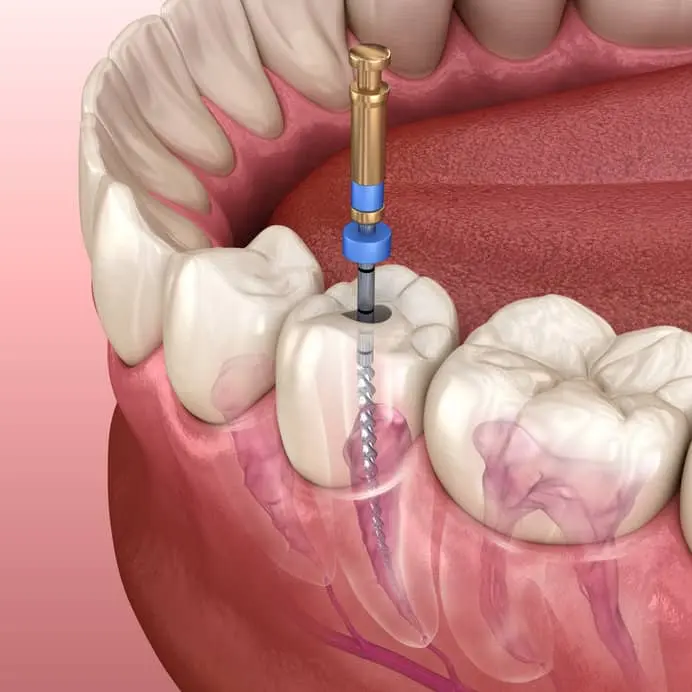
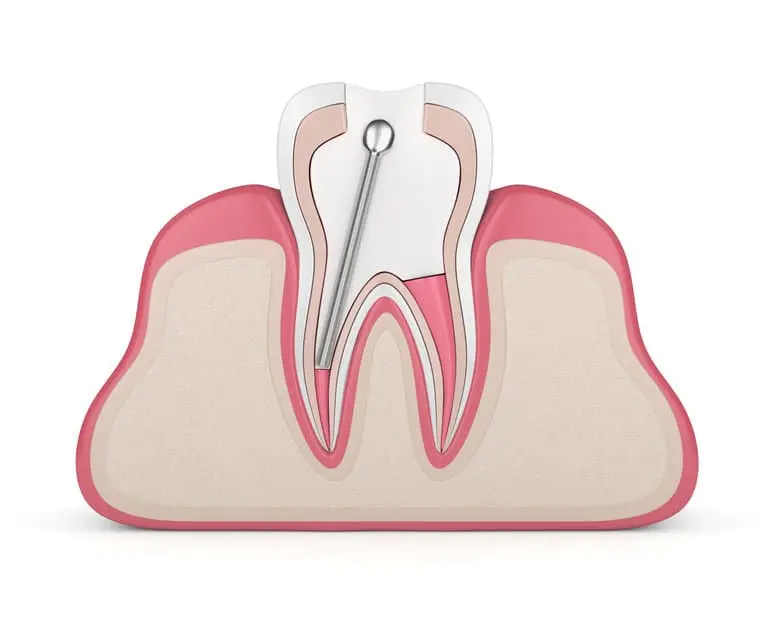
Inside every tooth is soft tissue called the pulp, which contains nerves and blood vessels. The pulp runs from the center of the tooth down through narrow canals inside the roots.
Deep decay, a crack, an injury or repeated work on the same tooth can damage the pulp or let bacteria in. The tissue can become inflamed or infected, which can lead to pain and sometimes swelling.
When the pulp is too damaged to heal, Dr. Dao may recommend a root canal. The alternative may be removing the tooth, depending on its condition and whether it can be restored.
Signs You May Need a Root Canal
A problem inside a tooth can show up in a number of ways, including:
Pain that lingers after something hot or cold.
A deep, throbbing toothache that can get worse at night.
Pain when you bite down or chew.
A tooth that looks darker than the teeth around it.
A small, pimple-like bump on the gum near a tooth, which can signal infection.
Swollen or tender gums around a single tooth.
Some people have no obvious symptoms. Sometimes the problem is first spotted during an exam or on a digital X-ray.
If a bad toothache suddenly stops, don’t assume it’s gone. The nerve inside may have died, but the infection can still be there and cause more problems.
An exam, X-rays when needed, and a few simple tests on the tooth help Dr. Dao find the cause and decide whether a root canal is needed.
If you have facial swelling, a fever or pain that keeps getting worse, call us right away. We make every effort to see emergencies the same day during office hours, Monday through Thursday. Trouble breathing or swallowing needs emergency medical care.
What Happens During a Root Canal?
Root canal treatment usually goes like this:
Numbing the tooth. Local anesthetic keeps you comfortable while we work.
Reaching the pulp. Dr. Dao makes a small opening in the tooth to reach the damaged tissue.
Cleaning the canals. The damaged pulp is removed, and the canals are cleaned, disinfected and shaped.
Sealing the canals. The cleaned spaces are filled with a rubbery material called gutta-percha and sealed.
Restoring the tooth. The opening is closed with a filling or other restoration, and a crown may be recommended to protect the remaining tooth.
Some root canals are completed in one visit, while others take more than one, depending on the tooth and how far the infection has spread.
You may feel pressure or vibration during treatment. If you feel any pain, tell Dr. Dao so she can help you stay comfortable.
What to Expect After Your Root Canal
It’s normal for the tooth and the area around it to feel tender for a few days, especially when you bite. This usually fades as things heal.
Follow Dr. Dao’s instructions for easing soreness and caring for the tooth. You may need to avoid chewing on that side until the final restoration is placed, especially if you have a temporary filling.
Call the office at (405) 722-7767 if the pain gets worse instead of better, swelling starts or increases, or a temporary filling or crown comes loose.
Why a Crown May Be Needed After a Root Canal
Completing the root canal is only part of the job. The tooth may also need a restoration that protects it when you chew.
A tooth that needs a root canal often already has a lot of damage from decay, a large filling or a crack. The opening made during treatment can also weaken what’s left.
For back teeth, a dental crown is often recommended to cover and protect the tooth. Some teeth can be restored with a filling or another restoration instead, depending on how much healthy tooth remains.
Dr. Dao will explain which restoration is right and when it should be done. Following through with that last step helps protect the treated tooth from further damage.
Root Canal or Tooth Extraction?
When a tooth is damaged or infected, a root canal and an extraction may both be options. The right choice depends on how much damage there is, how likely the tooth is to last, your overall dental health and the cost.
Root canal treatment removes the damaged tissue and keeps your natural tooth. The tooth usually needs a filling or crown afterward, depending on its condition.
Tooth extraction removes the entire tooth. If you choose to replace it, options may include a dental implant, a dental bridge, or a partial denture.
Keeping a natural tooth is often worth it when it can be restored well, but a root canal isn’t right for every tooth. We’ll talk about the likely outcome, explain the alternatives and go over costs and payment options so you can make an informed decision.
Have a Toothache? Let's Take a Look.
Tooth pain that won’t go away, sensitivity or swelling should be checked. At our northwest Oklahoma City office, an exam can find the cause and show whether a root canal or another treatment is the right next step.